Breakthrough skin cancer detection technology showcased at BioEM 2026 in Cairns
Leading global researchers gathered in Cairns for BioEM 2026 have unveiled a new handheld device designed to improve the early detection of skin cancer, particularly in regional and remote communities.
BioEM is the leading international conference in the field of bioelectromagnetics, bringing together academic researchers and industry professionals from around the world. BioEM 2026 marks the fifth annual meeting of the BioEM Society, following the merger of the Bioelectromagnetics Society (BEMS) and the European BioElectromagnetics Association (EBEA).
A new approach to skin cancer detection
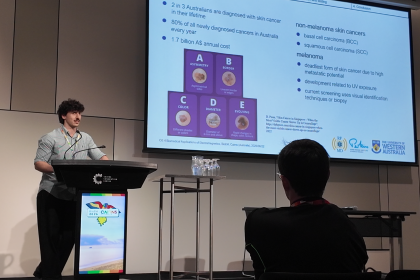
Developed by Dr Lena Kranold and her team from the University of Western Australia, the prototype device will be capable of distinguishing between healthy and abnormal tissue using electrical properties that are not visible to the human eye, an approach that could support general practitioners (GPs).
The core research team includes Rafael Fiore, a PhD candidate working on probe design, Professor Paul Stanwix, a physicist and expert in probe design and material characterisation, and Dr Lena Kranold, an engineer specialising in tissue characterisation and the development of new medical technologies. Together, the team brings a multidisciplinary approach to advancing early-stage diagnostic tools for clinical use.
Why this matters for regional communities
Data shows that Queensland has one of the highest rates of skin cancer in Australia, making early detection and access to specialist care particularly important for regional communities. In areas like Far North Queensland, access to dermatologists can be limited, with patients often facing extended wait times or needing to travel long distances for specialist diagnosis and treatment. By supporting earlier detection at a local level, innovations like this have the potential to improve patient outcomes and reduce pressure on the broader healthcare system.
From prototype to clinical application
Initial testing has shown promising results in laboratory environments, with the device demonstrating the ability to identify different types of skin lesions. The research team is now working towards clinical trials in partnership with dermatologists and pathologists, with the goal of further validating its real-world application.
In addition to improving diagnostic accuracy, the technology could also help reduce the number of unnecessary biopsies, streamlining the healthcare system and enabling faster treatment for patients who need it most.
Driving global impact through events in Cairns
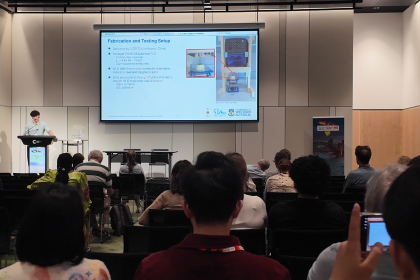
Hosting international conferences such as BioEM 2026 highlights the Cairns Convention Centre’s role in facilitating knowledge exchange and driving meaningful outcomes for regional communities. By connecting global experts with local challenges, events like this leave a lasting legacy well beyond their duration.