
20th International Bat Research Conference at Cairns Convention Centre
Conference Impact Summary
- Dates: 3 – 8 August 2025
- Delegates: 507 attendees and 70 online participants from 58 countries
- Economic Impact: $4.37 million in economic impact, 3,803 visitor nights
- Program Scale: 4 keynote speakers, 32 symposia, 281 presentations, 69 posters and 7 workshops
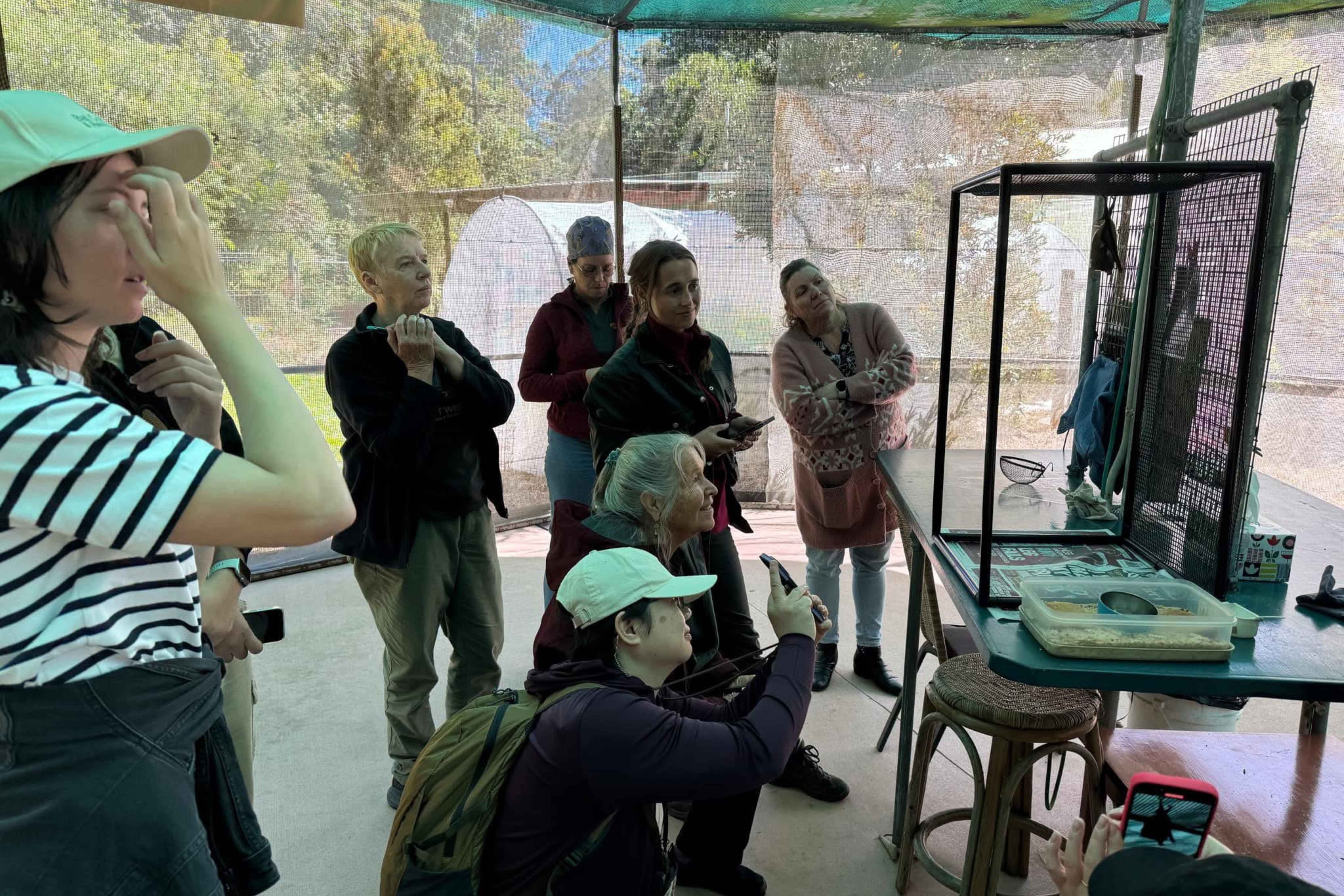
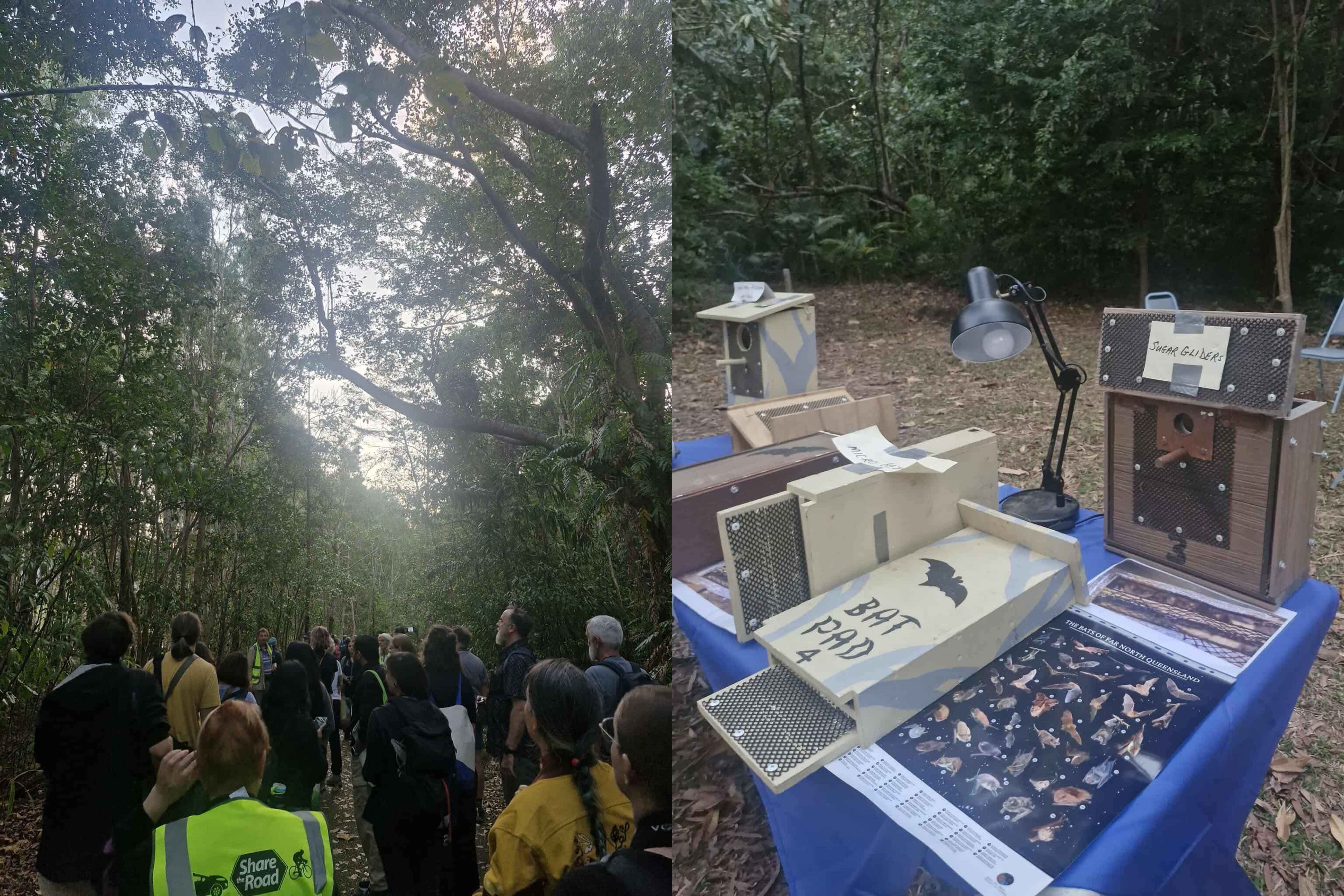
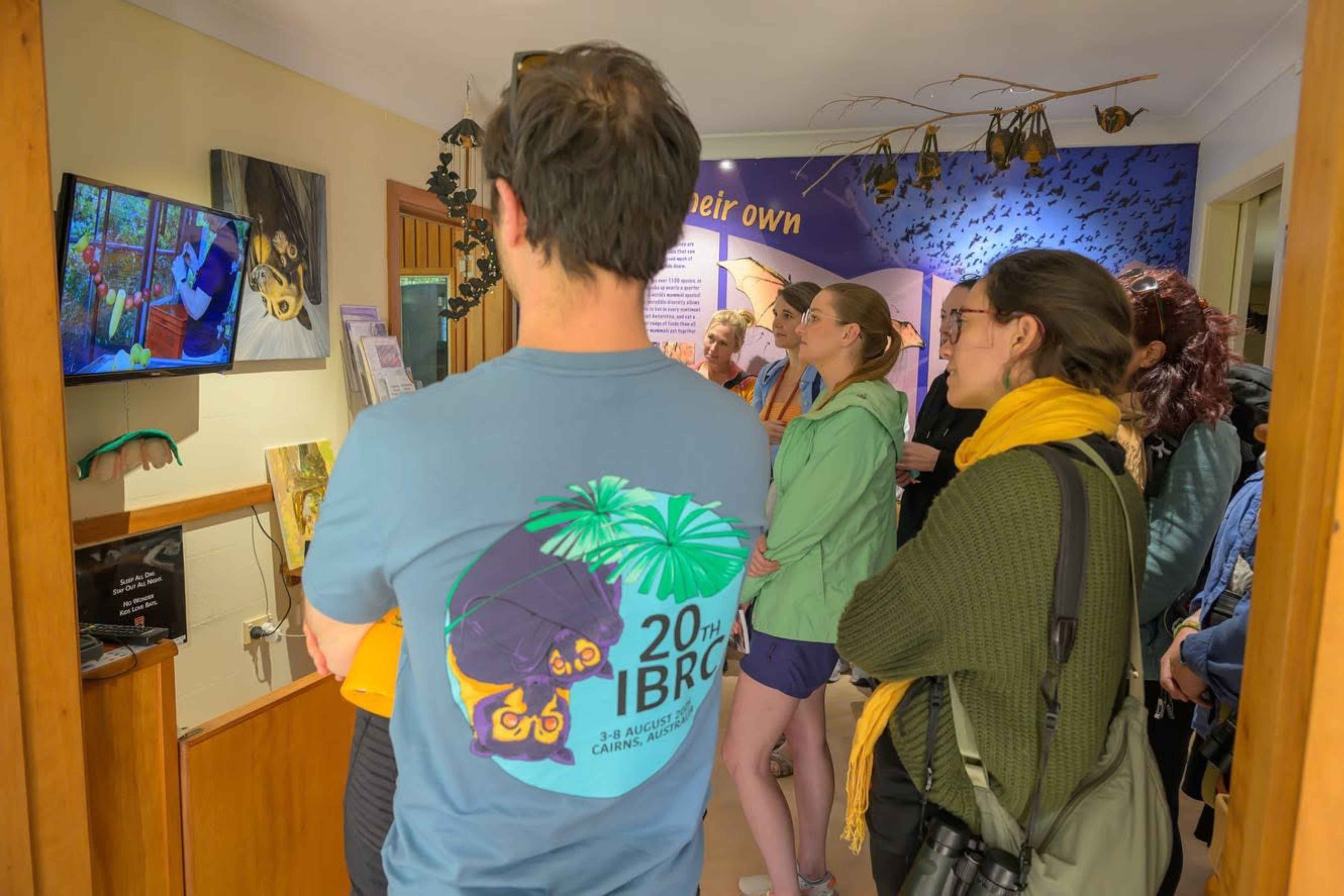
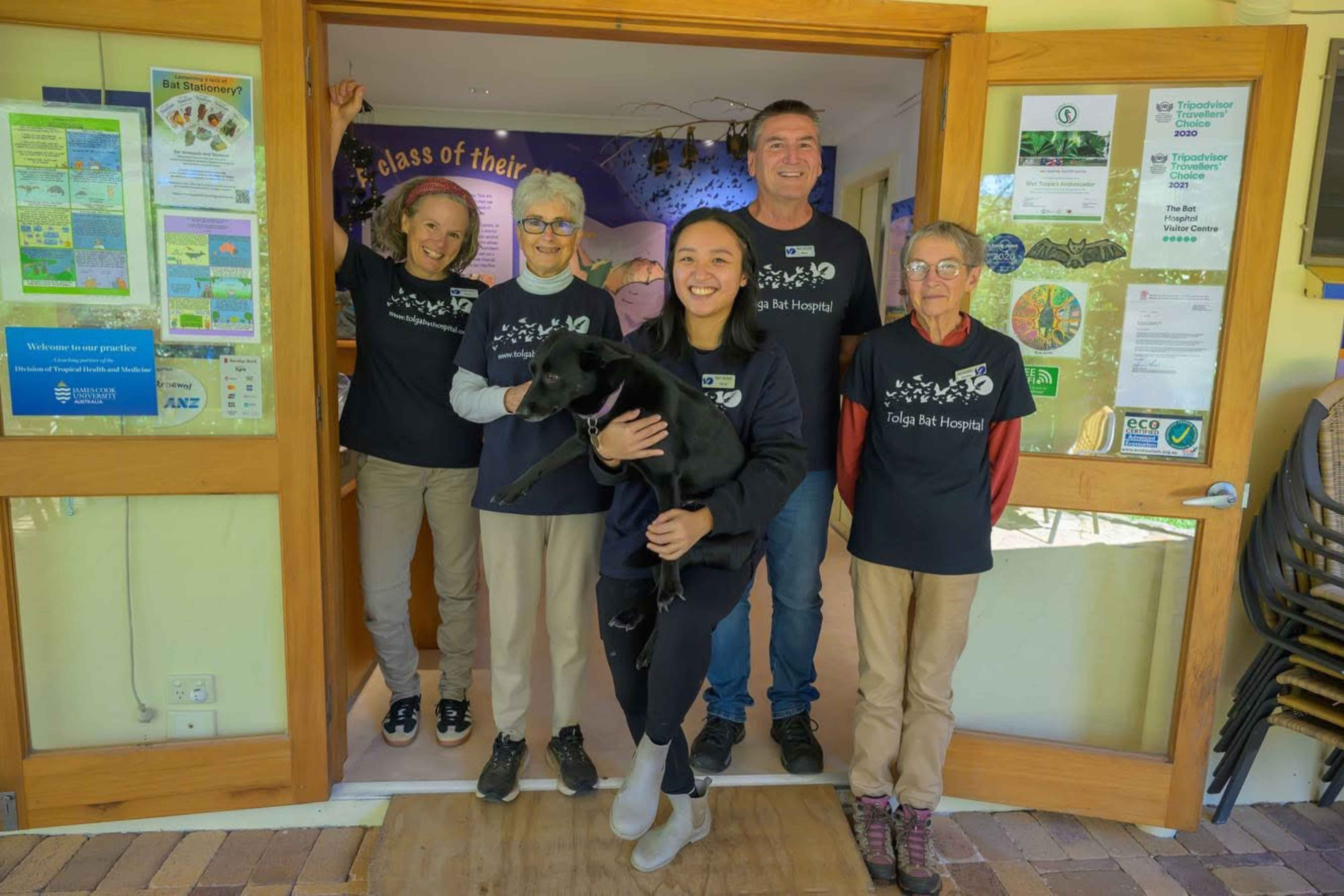
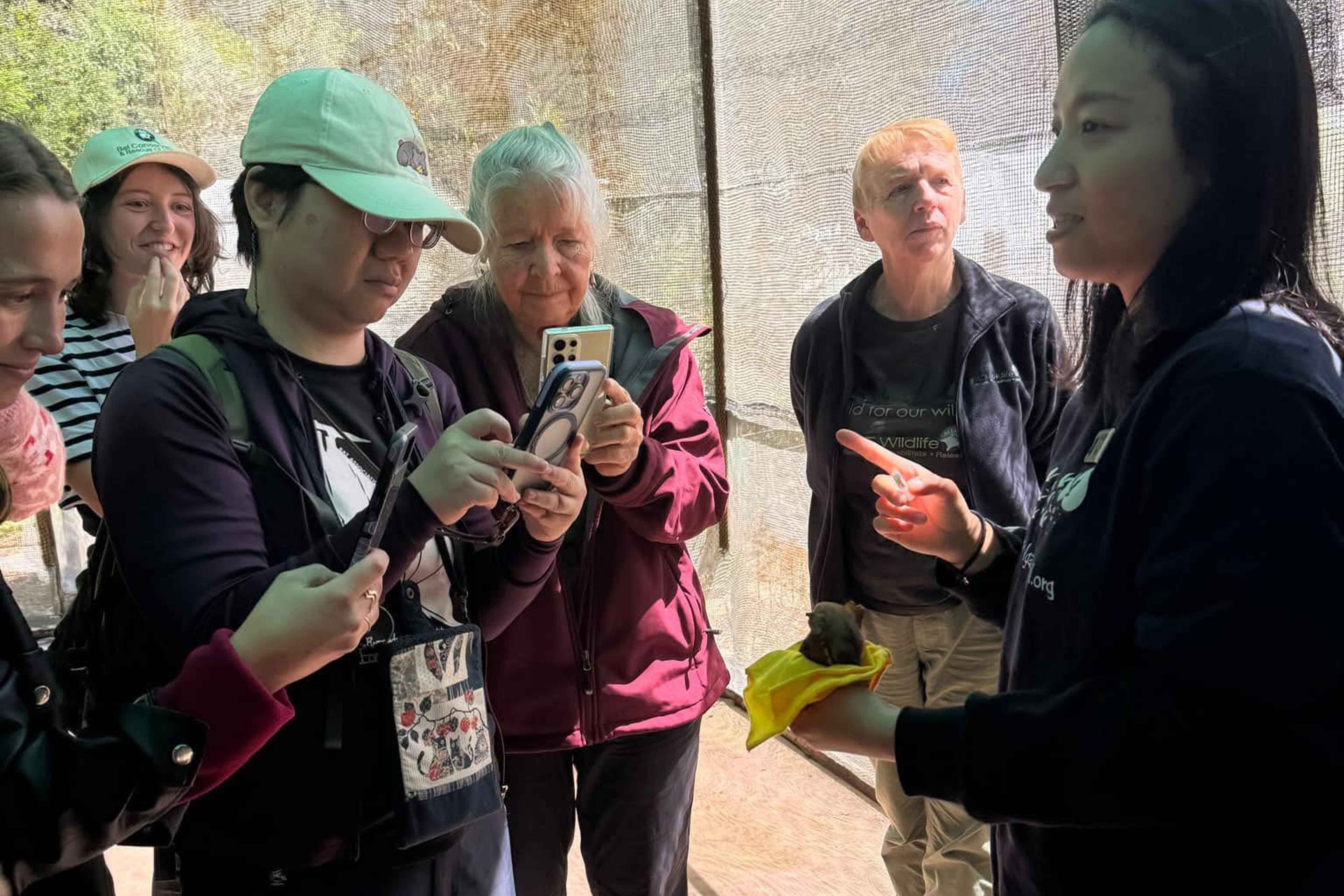
- Field Trips: 7 curated field experiences to sites including Tolga Bat Hospital, Cattana Wetlands, Kuranda and the Wet Tropics Rainforest, connecting delegates with real habitats and conservation practice across Tropical North Queensland
Where global bat science meets a living laboratory
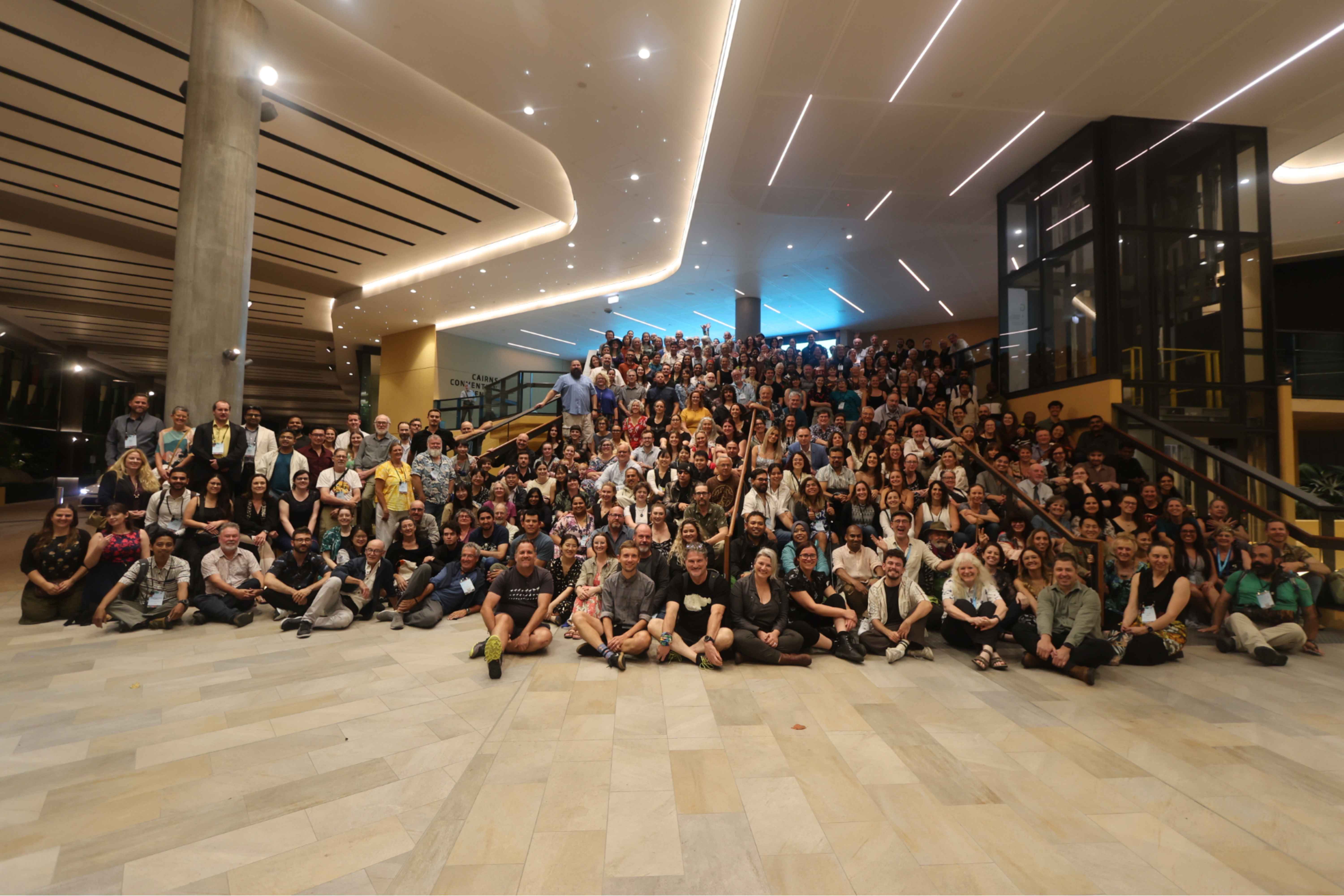
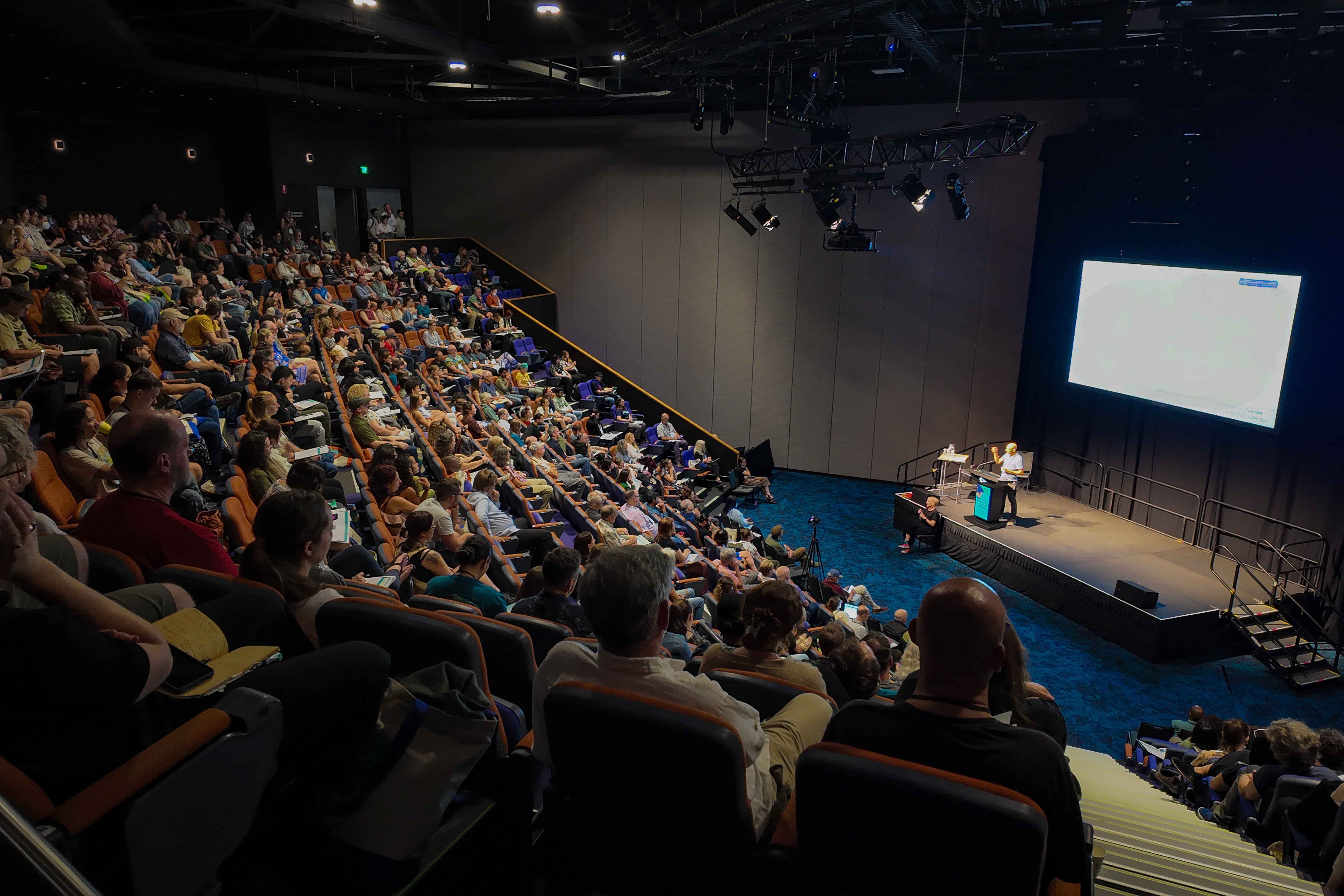
In August 2025, Cairns Convention Centre (Centre) welcomed the 20th International Bat Research Conference, bringing together 507 in person delegates, plus 70 online participants for the National Flying-fox Forum, from 58 countries. With four keynote speakers, 32 symposia, 281 talks, 69 posters, seven workshops and seven field trips, the conference demonstrated Cairns’ ability to host complex international scientific meetings in a destination that adds real depth to the delegate experience.
Held every three years, the conference is one of the most important gatherings for the global bat research, conservation and management community. Its goals were to share the latest research, build international collaboration, create a welcoming space for students and early and mid-career researchers, and showcase Australian bat fauna and nature. In Cairns, those goals were not only met, but brought to life in a vivid and impactful way.
A destination made for discovery
For the organising committee, Cairns stood out for several compelling reasons. Surrounded by extraordinary biodiversity and located on the doorstep of two UNESCO World Heritage–listed sites, the Wet Tropics Rainforest, the city offered an ideal Australian setting for a conference centred on wildlife, ecology and conservation. Just as importantly, Cairns combined that natural advantage with a strong local community of researchers and conservation practitioners, a world-class convention centre capable of hosting more than 500 delegates, and a compact, walkable city with accommodation and dining close to the Centre.
The destination became a genuine extension of the event itself. Rather than serving simply as a backdrop, Cairns enriched the scientific dialogue, strengthened connections between delegates, and reinforced the relevance of field-based learning, conservation practice and place-led storytelling.
Science in session, science in the field
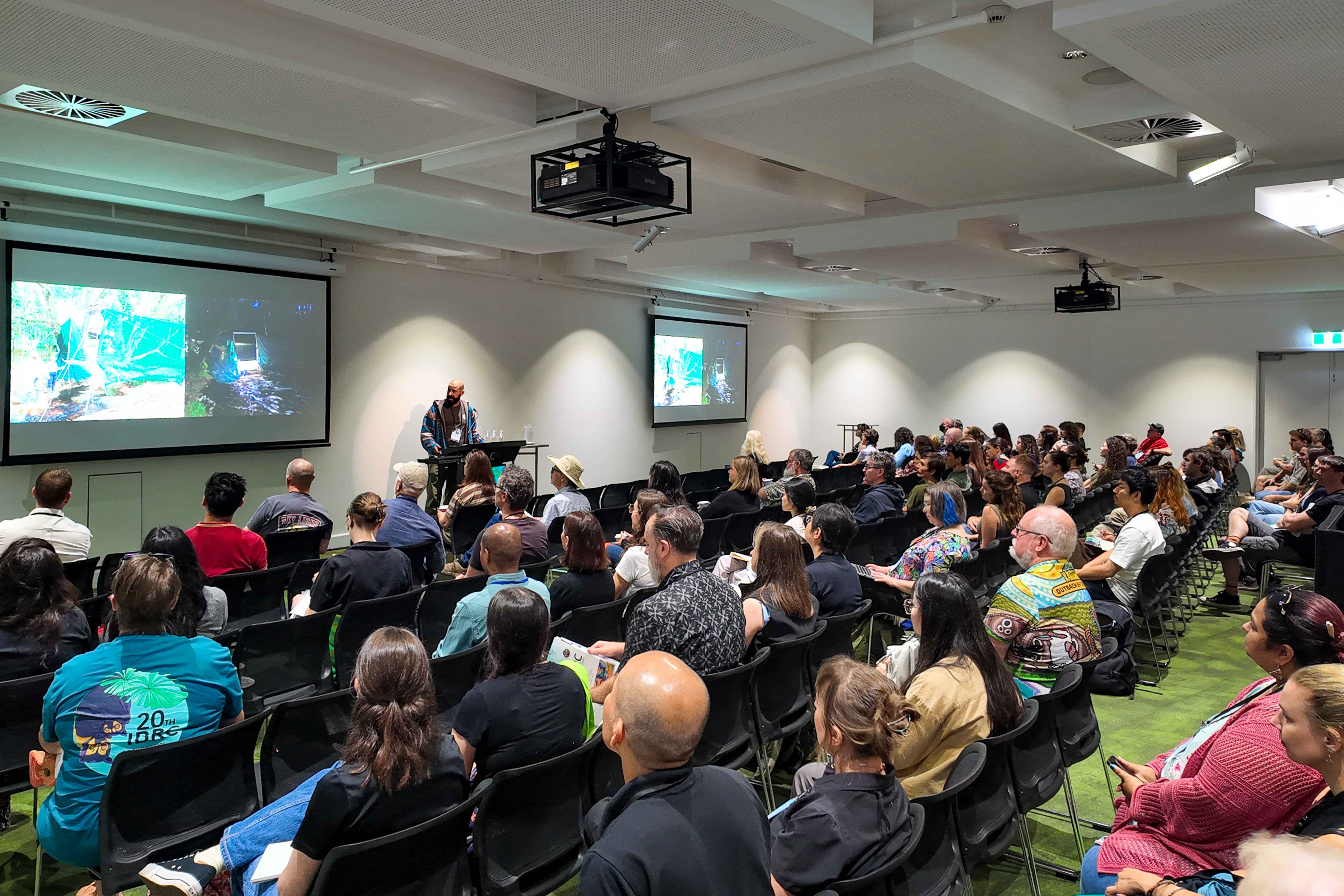
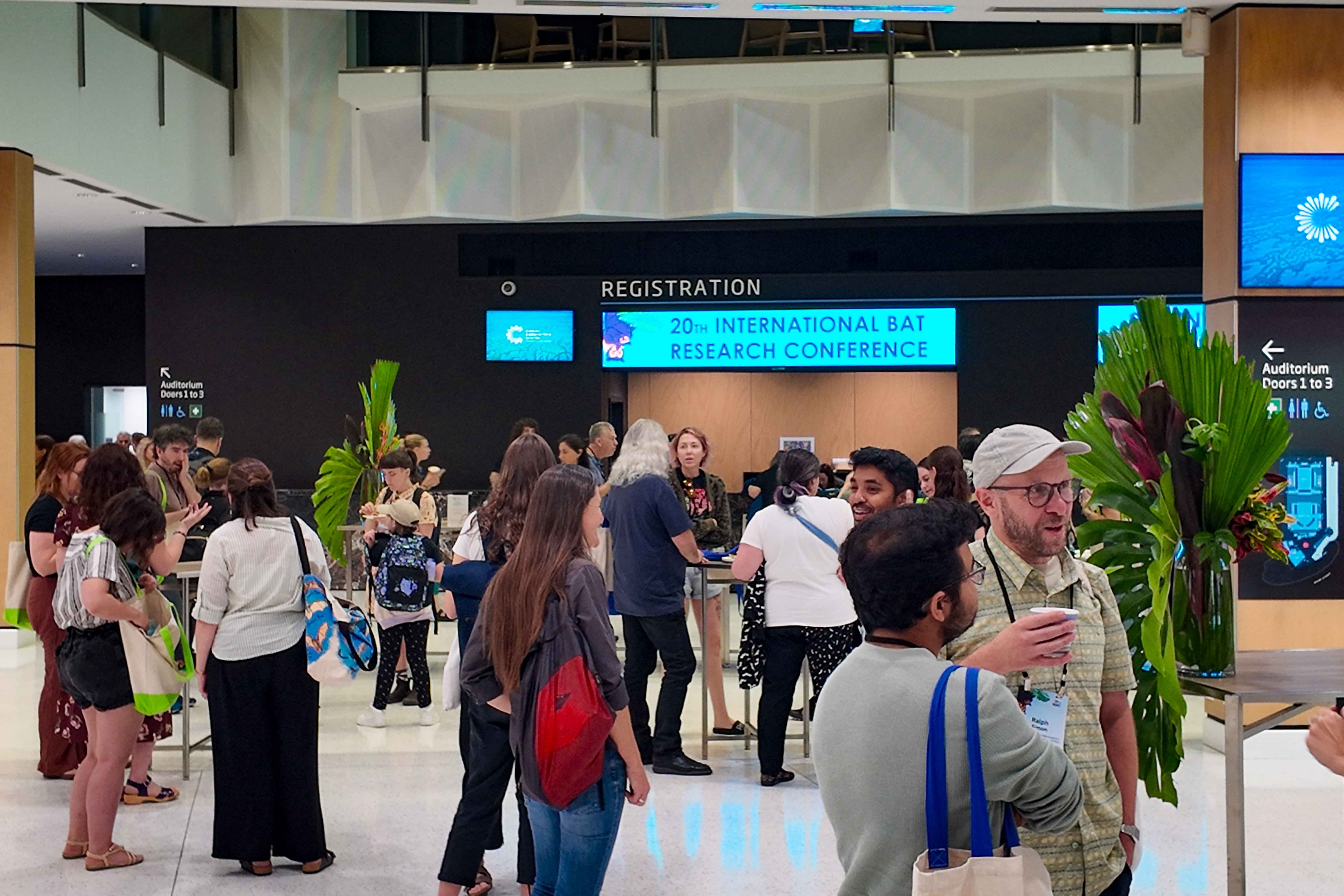
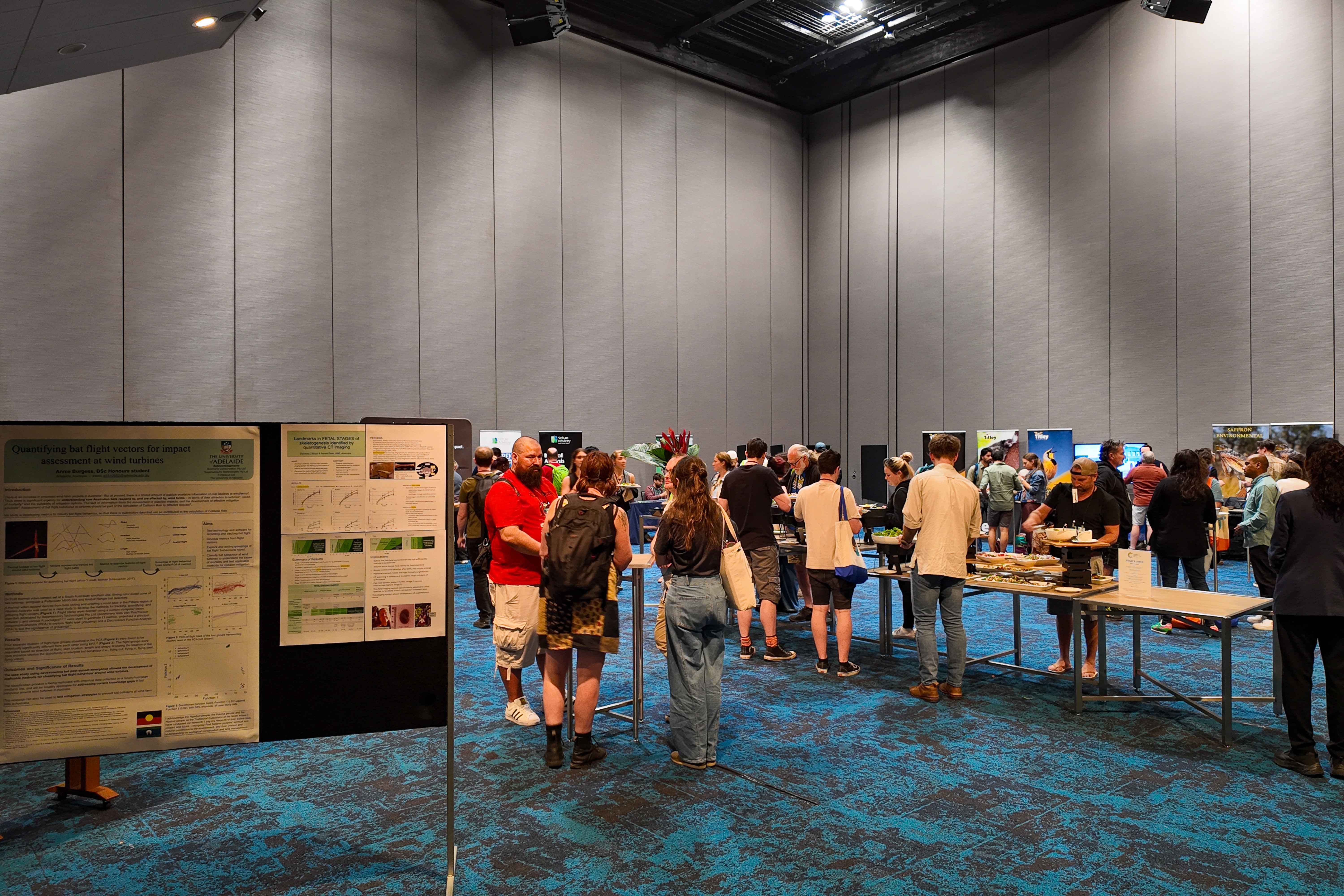
The strength of the programme was matched by the richness of the setting. Four concurrent oral presentation sessions ran across four conference days, supported by a full workshop day that included the National Flying-fox Forum. Formal networking moments such as the welcome mixer, poster session, mentor lunch and gala dinner sat alongside highly valued informal exchanges during breaks, where delegates met, reconnected and formed new collaborations.
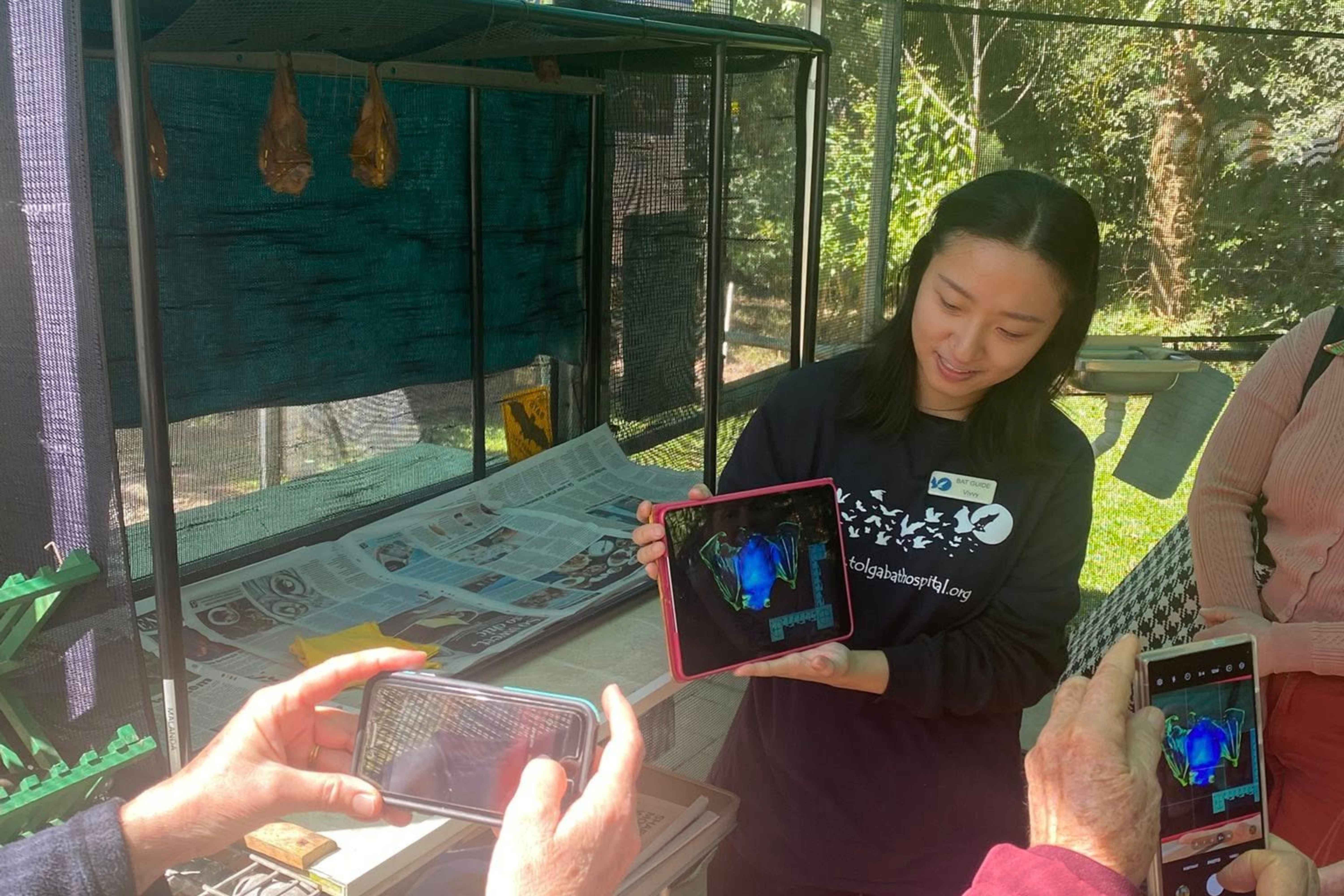
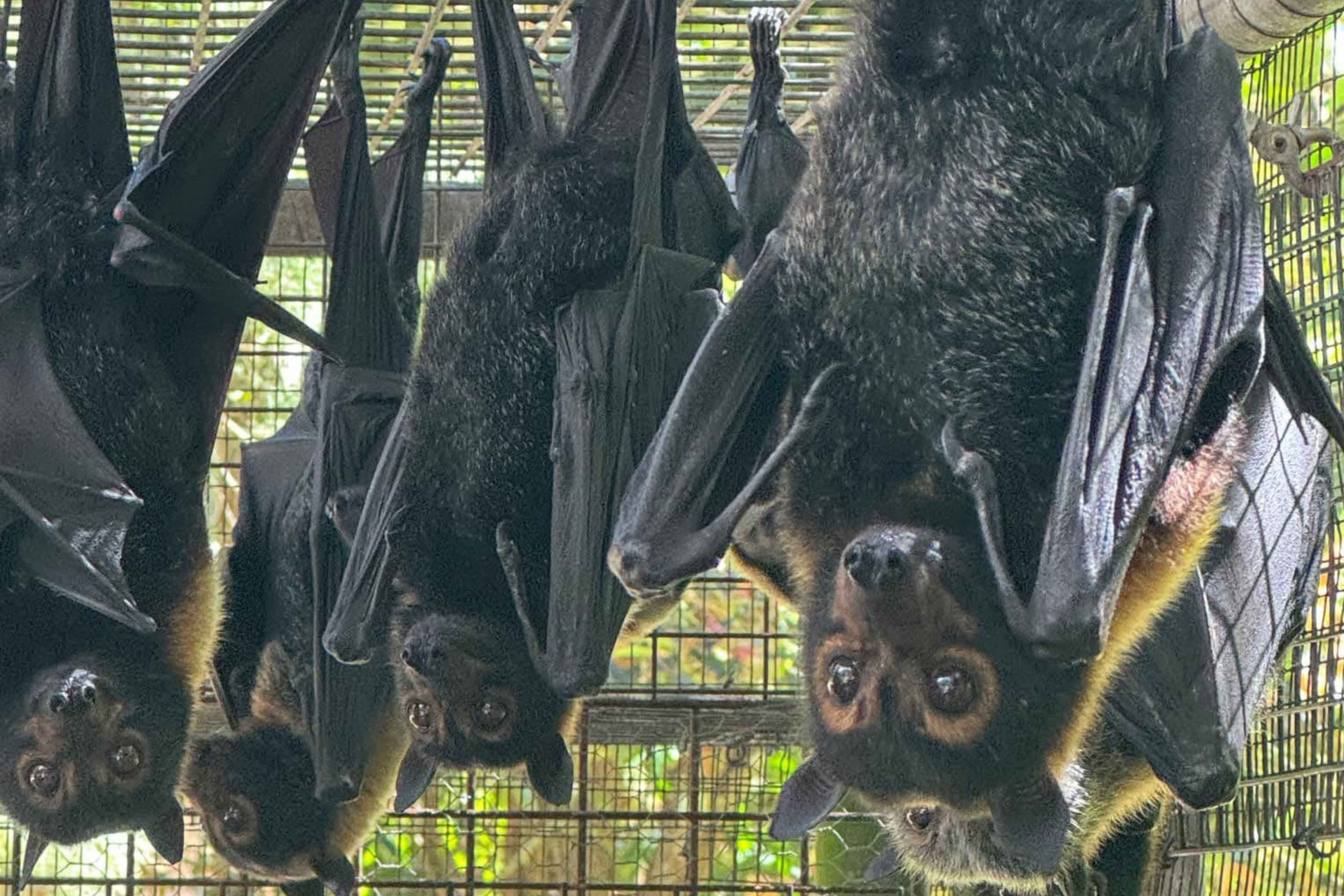
Field trips were a defining feature of the conference. Delegates visited sites including Tolga Bat Hospital, Cattana Wetlands, Kuranda and the Wet Tropics Rainforest, giving them the opportunity to connect conference themes with real habitats, species and conservation work across Tropical North Queensland, Australia. These experiences reinforced Cairns’ value as a living laboratory, where research is not confined to presentation rooms, but can be encountered directly in the landscape. Professor Justin Welbergen also noted that “the diversity of habitats and species in Tropical North Queensland enriched scientific dialogue and inspired new partnerships, a point that was borne out across the week.”
Local expertise also played a major role in shaping the programme. Speakers from conservation groups, research institutions, consultancies, government and First Nations ranger groups helped ground the event in cultural knowledge and regional practice.
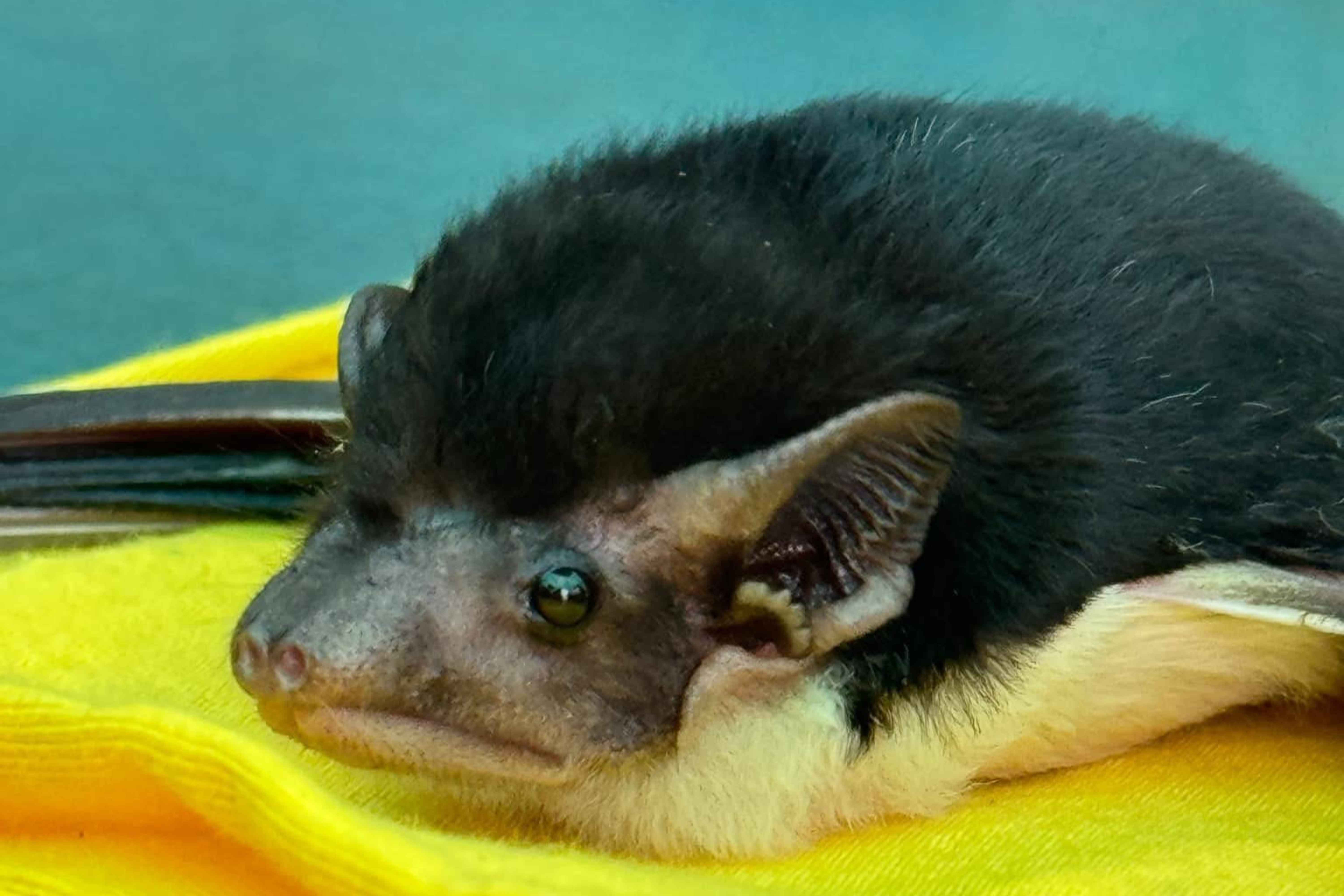
This strong sense of place was further reinforced through the conference branding, which featured the endangered spectacled flying-fox. For many delegates, the connection was made tangible by the opportunity to see the species flying around the city during their stay. For Maree Treadwell, President of the Bats and Trees Society of Cairns and a member of the organising committee, “Cairns offered not just a spectacular backdrop, but a genuine living laboratory for biodiversity and conservation in action.”
Community connection and sustainability
The conference created strong links with the local community. Organisers worked with local Cairns organisations and suppliers wherever possible, including the Bats and Trees Society of Cairns, Tolga Bat Hospital, Cattana Wetlands Environmental Park and local tour operators. Printing was kept to a minimum, with abstracts made available digitally, while printed materials and some merchandise were sourced locally.
Auction items, raffle prizes and social elements also drew on local businesses and artists, helping the event feel embedded in the destination. Even the caterers joined in, with bat-themed cocktails appearing at local venues during the conference, adding a distinctive sense of fun and destination personality to the week.
Flexible spaces, confident delivery
From planning through to delivery, organisers described their experience with Cairns Convention Centre as highly positive, highlighting the Centre team’s professionalism and collaborative approach. Reflecting on the experience, the organising committee noted that the team was “responsive, calm and easy to work with,” and consistently able to adapt as requirements evolved throughout the week.
This flexibility was particularly important for a conference of this scale, which involved multiple concurrent sessions, workshops, sponsor booths, networking events and changing room requirements across several days. As Professor Welbergen observed, “the spaces were fantastic with a mix of rooms for the sessions, workshops, sponsor booths and breaks,” and the team remained highly accommodating as needs changed.
“The staff were very flexible to room requests and changes when we realised that we needed more space for one of the concurrent sessions,” he said. The ability to use different spaces also enhanced the delegate experience, with Welbergen noting that “it was great to also have the gala dinner upstairs in the Trinity Room, as it was a completely new space for the attendees, while being close and convenient.”
Technical delivery was another area that stood out. The AV team provided strong on-the-ground support throughout the conference, successfully managing a high volume of presentations across multiple concurrent rooms, including hybrid elements. According to Welbergen, “the AV team were excellent. They handled the large number of talks, multiple concurrent rooms and hybrid elements with minimal issues, and were very approachable for speakers.” This reliability allowed organisers and presenters to focus on scientific content rather than logistics.
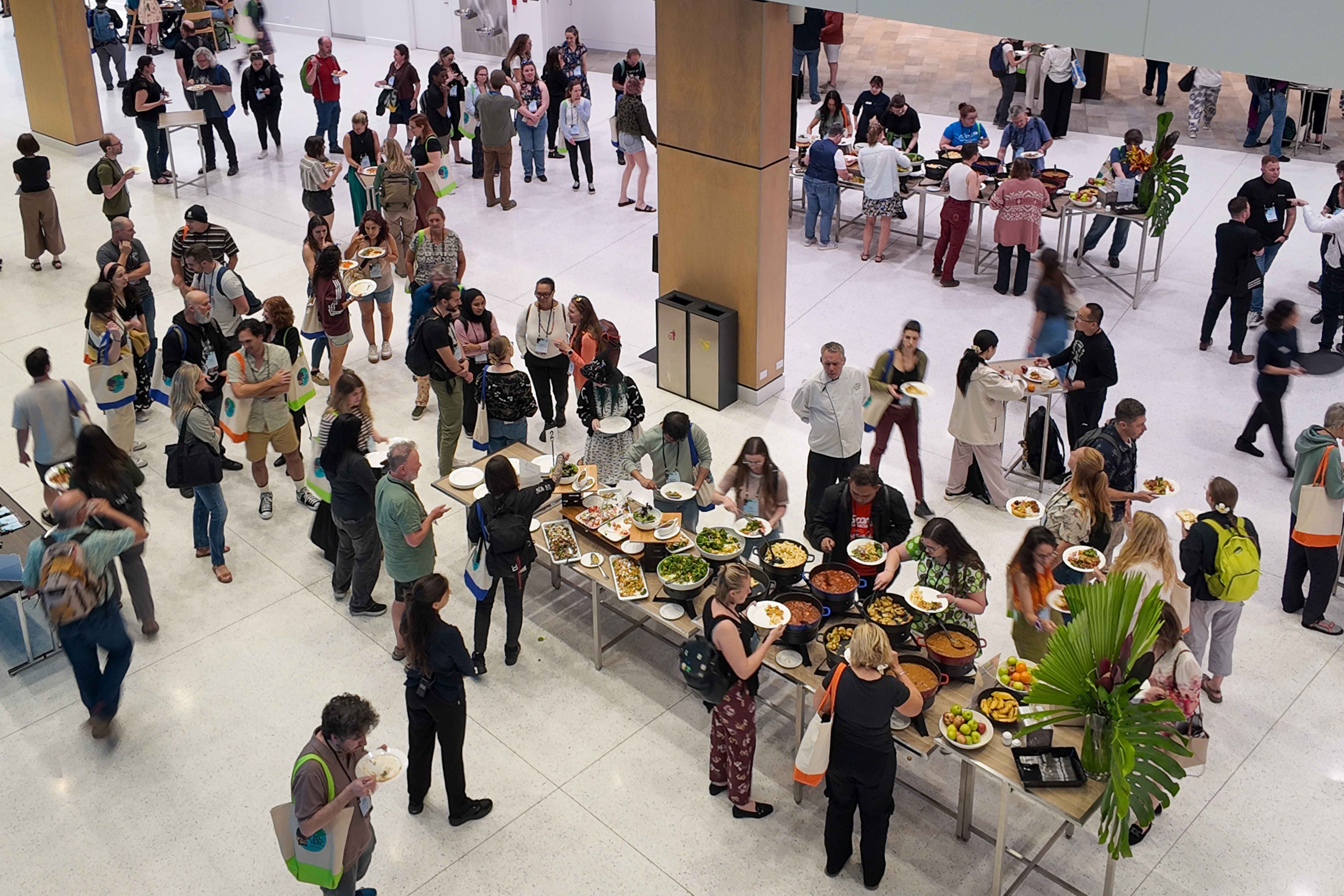
Catering also received strong feedback for its quality, variety and dietary inclusivity, contributing positively to the overall delegate experience. Many attendees commented on the range of options available and the efficiency of food service, which was well timed around the programme. As Welbergen summarised, “The Centre’s staff were friendly, professional and proactive, whether involved in the overall organisation, working on the floor, in catering, or on the tech side.”
Outcomes that matter
Beyond the event itself, the conference generated meaningful outcomes for research, conservation and global collaboration. New cross-continental projects were formed in areas including disease, acoustic monitoring and conservation genetics. Global and regional networks, such as GBatNet, used the event to plan joint activities, while targeted sessions on threatened species contributed to ongoing recovery planning and policy discussions. A number of conference presentations are now being developed into scientific papers, extending the impact of the event well beyond Cairns.
The conference also helped raise broader awareness of bats and bat conservation through media attention and social media activity. For Cairns Convention Centre, it was another strong example of how the Centre can support high-level international association conferences while elevating them through destination knowledge, local partnerships and immersive regional experiences. As Treadwell reflected, “Many delegates have told us it was one of the best IBRCs they’ve attended, and the Centre and location were a big part of that.”
Conclusion
The 20th International Bat Research Conference proved that Cairns is far more than a beautiful backdrop for scientific meetings. It is a destination where biodiversity, research, community and world-class conference delivery come together to create something genuinely distinctive.
Janet Hamilton, General Manager of the Cairns Convention Centre, said Cairns was “uniquely positioned to support and inspire this important global gathering”, a sentiment that was reflected in both the destination fit and the strength of on-site delivery.
Tara Bennett of Business Events Cairns & Great Barrier Reef described Cairns as offering “a rich learning and networking environment” for delegates, with hotels, restaurants and the Esplanade all within easy walking distance. “As a result, the destination became a genuine extension of the event itself. Rather than serving simply as a backdrop, Cairns enriched the scientific dialogue, strengthened connections between delegates, and reinforced the relevance of field-based learning, conservation practice and place-led storytelling.”
Finally, for delegates, Cairns offered the opportunity to share ideas, build collaborations and experience bat science in one of the world’s most ecologically rich regions. For Cairns Convention Centre, the conference was a powerful demonstration of the Centre’s ability to deliver globally significant conferences with professionalism, flexibility and a strong sense of place.